WARDS & MARKETS
Nishi-Shinjuku Reborn: The Original Skyscraper District's Second Act
Tokyo's original 1970s skyscraper district is being rebuilt for 2030s demand. Here's the Nishi-Shinjuku redevelopment pipeline, the Shinjuku Station West tower, and what it means for foreign buyers.
On this page 7
TL;DR: Nishi-Shinjuku built Tokyo’s first skyscrapers in the 1970s, and now the whole district is being torn up and rebuilt for 2030s demand: a 260m-class tower rising over the station’s West exit by FY2029, two 65-story residential towers planned for 3-chome, and a station-wide “Grand Terminal” overhaul running to the 2040s. For foreign buyers, this is one of the few central Tokyo addresses where you can still buy ahead of a confirmed, decade-long construction catalyst rather than after it. The catch: build-out is long, messy, and partly delayed, so this is a hold, not a flip.
Why Nishi-Shinjuku, Why Now
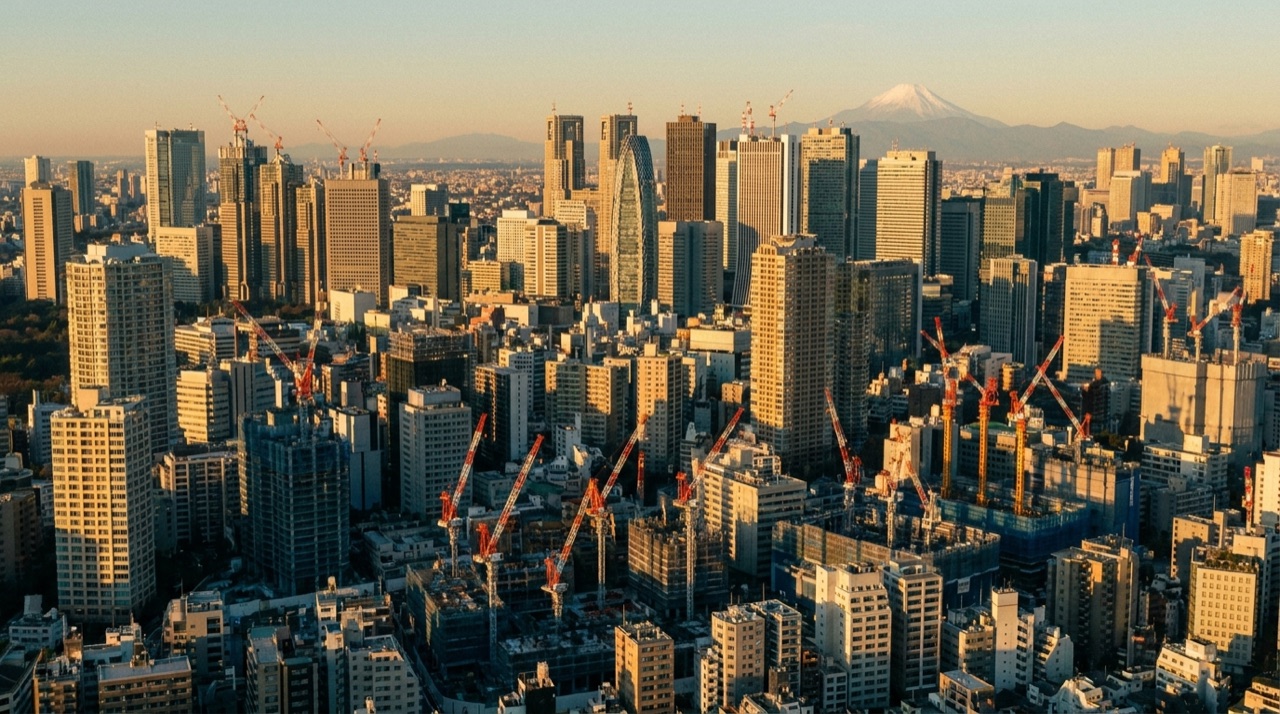
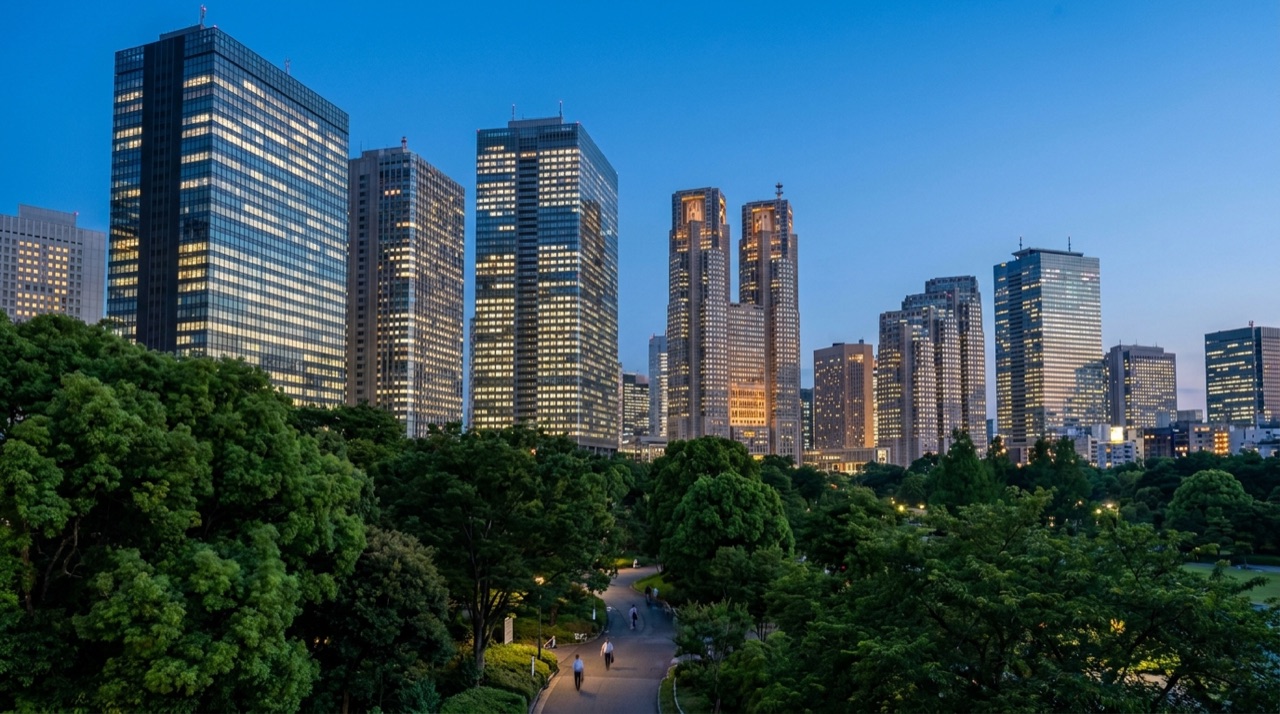
Most foreigners know Shinjuku as the chaotic station they pass through, or the neon of Kabukicho on the east side. Nishi-Shinjuku (“West Shinjuku”) is the other side: the cluster of office towers around the Tokyo Metropolitan Government Building. It was Tokyo’s original high-rise district. The Keio Plaza Hotel went up in 1971, the Sumitomo Building in 1974, and the Metropolitan Government moved in by 1991.
That history is exactly the point. Those towers are now 50-plus years old. A district that was cutting-edge in the Showa era is aging out, and the planners have decided not to patch it but to rebuild it. That gives a buyer something rare in central Tokyo: a clear, funded, multi-decade redevelopment story you can position in front of, rather than chase after prices have already moved (as they largely have in Azabudai and Toranomon).
See how it stacks up against neighbors on our wards overview and compare tool.
From the desk — Nishi-Shinjuku is one of the few central pitches where I have to keep reminding buyers that the catalyst is a decade of cranes, not a closing date. Over the years the clients who lose patience here are the ones who quietly wanted a flip; the ones who treat the messy, slipping build-out as the price of getting in before the trophy districts already moved are the ones who actually hold long enough to be rewarded.
The Anchor: Shinjuku Station West Exit Tower
The headline project sits directly over the West exit, on the cleared site of the old Odakyu Department Store. It is a roughly 260m, 48-story tower being built by Odakyu, Tokyo Metro and Tokyu Land. Construction began in March 2024, with completion targeted around the end of FY2029 (so 2029-2030; directional, as of writing).
The numbers are big: about 279,000 square meters of floor space, offices on floors 14-46, one of the largest commercial complexes in the Shinjuku area on the lower floors, and observation/view facilities up top. As important as the tower itself, the West plaza is being converted from a car-dominated roundabout into a pedestrian space, with the spiral parking ramp moved away from the station in early 2025 and traffic lanes reorganized through late 2025.
Honest caveat: not everything is on schedule. The separate South-area piece led by Keio was, as of early 2025, not yet started, with its original FY2028 completion now undecided. “Shinjuku is being rebuilt” is true; “all of it finishes by 2030” is not.
The Residential Play: Nishi-Shinjuku 3-Chome
For a buyer, the more interesting project may be 3-chome, southwest of the station near the Park Hyatt and Shinjuku Park Tower. The plan calls for two 65-story, roughly 235m residential towers on a 4.8-hectare site, around 3,200 apartments, with retail below and a total floor area near 385,000 square meters. It is backed by a heavyweight group including Nomura Real Estate, Tokyo Tatemono and Sumitomo Corporation.
This matters because pure new-build supply of this scale in a core ward is unusual. A few thousand new units arriving over the back half of this decade gives the area fresh, modern, foreigner-friendly stock — the kind of building (English-capable management, new earthquake standards, concierge) that overseas buyers actually want. Timeline here has slipped repeatedly across a project first floated in the 1990s, so treat any single completion date as directional and verify the current schedule before you commit.
The Big Frame: Shinjuku Grand Terminal
Behind both projects is the Tokyo Metropolitan Government’s “Shinjuku Grand Terminal” concept, formulated in 2018, to reorganize the area immediately around the world’s busiest station (by passenger count). Construction-phase work began around 2021. The plan aims to roughly complete the core by the mid-2030s and fully finish out toward the 2040s.
What that means in plain terms: the east-west divide that has always split Shinjuku — you currently have to walk a long way around — is being stitched together with new pedestrian decks and a redesigned station. For a property owner, easier, nicer movement through the station is the kind of slow, structural improvement that supports rents and resale for decades, not just through one opening.
The Money: What It Costs and Earns
Nishi-Shinjuku sits inside Shinjuku ward, one of Tokyo’s central wards. Citywide, central-six-ward used-condo asking prices hit records in 2025, around 160 million yen per 70 sqm (roughly 2.3 million yen/sqm; directional, as of writing), with central-ward land prices up double digits on the commercial side. Shinjuku has been one of the stronger appreciation stories.
On yield, set expectations honestly: central Tokyo residential gross yields typically run about 3-4%, and Shinjuku is no exception. You are not buying this for fat cash flow. You are buying for a low-vacancy, high-liquidity asset with a genuine redevelopment catalyst, in yen that is still historically cheap for dollar, euro, Taiwan dollar and Singapore dollar buyers. Foreign demand in core Tokyo has been heavy — Taiwanese buyers alone were reported around 60% of foreign condo purchasers in the core in 2025.
Caveat worth repeating: rent is collected in yen. If the yen strengthens, your home-currency return falls even if the building does fine. Run the numbers yourself before you fall in love with a floor plan.
How Nishi-Shinjuku Compares
Quick map for a buyer weighing central options:
- Nishi-Shinjuku — original skyscraper district, mid-cycle redevelopment, prices below the trophy zones, practical office/transport rental demand. The “buy before it finishes” play.
- Azabudai / Toranomon (Minato) — the redevelopment is largely built and priced in; you pay top-of-market today for a finished product.
- Shibuya — also being rebuilt around its station, more youth/retail-driven, tighter supply, premium pricing.
Nishi-Shinjuku’s edge is timing and price: you are earlier in the curve, paying less per sqm than the Minato trophies, in a ward with deep rental demand from offices and the Metropolitan Government. See the full wards and markets breakdown.
Your Next Step
If you want a central Tokyo address with a real, funded, decade-long catalyst — and you can hold through a noisy build-out — Nishi-Shinjuku belongs on your shortlist now, while it still trades at a discount to the finished trophy districts. Practical moves: (1) decide between existing towers (immediate income, lower price) and pre-sale units in the new 3-chome stock (modern, foreigner-friendly, longer wait); (2) verify the current schedule on whichever project sits nearest your target building, since dates here slip; (3) model your return in your home currency, not just yen.
Start by sizing a deal on our tools, then line Nishi-Shinjuku up against Minato and Shibuya in the compare view. The district that built Tokyo’s first skyscrapers is building its next ones — better to own before the cranes come down than after.