BUYING & FINANCE
What Happens to Your Tokyo Property When You Die: Inheritance for Foreign Owners
A Tokyo-based insider explains exactly what happens to your Japanese property when you die: which country's law decides your heirs, the 10-month tax clock, and the 2024 registration rule.
On this page 9
- The Part Nobody Tells You at the Closing Table
- First: The Property Does Not Disappear
- Whose Law Decides Who Inherits? (It’s Not Obvious)
- There Is No Probate Court — Which Cuts Both Ways
- Clock One: The 10-Month Inheritance-Tax Deadline
- The Worldwide-Asset Trap (For Long-Term Residents)
- Clock Two: Mandatory Registration Since 2024
- What a Prepared Owner Actually Does
- Your Next Step
TL;DR: When a foreign owner dies, Japan does not freeze or seize the property, but it does run two clocks your heirs cannot ignore: a 10-month inheritance-tax deadline and a 3-year mandatory ownership-registration rule that began in 2024. Which country’s law decides who actually inherits is more tangled than you’d guess, and the worldwide-asset trap can bite if you’ve lived in Japan long enough. Plan the exit before you sign, not after.
The Part Nobody Tells You at the Closing Table
You will spend weeks researching how to buy a Tokyo apartment. You will spend roughly zero minutes thinking about what happens to it when you die. That’s backwards. The buying process has a licensed agent, a judicial scrivener, and a bank all paid to make it work. The dying process drops the entire mess on people who may not speak the language, may never have set foot in Japan, and who discover the rules only after a clock has already started.
This is a bottom-funnel reality check for buyers who are otherwise ready to go. None of it should stop you. But the owner who understands it can structure the purchase so the eventual handover is clean instead of a multi-year legal knot. Let’s walk through what actually happens.
First: The Property Does Not Disappear
Start with the good news, because there’s real fear here. Japan does not confiscate a foreigner’s property at death. There is no “the state takes it because you weren’t a citizen” rule. Freehold ownership (the standard for almost all Tokyo condos and houses) passes to your heirs the same way it would for a Japanese owner. Foreigners can inherit Japanese real estate, whether or not they live in Japan, whether or not they’ve ever been here.
What changes is the process of getting the title into your heirs’ names, and the tax they may owe to do it. Those two things are where the friction lives.
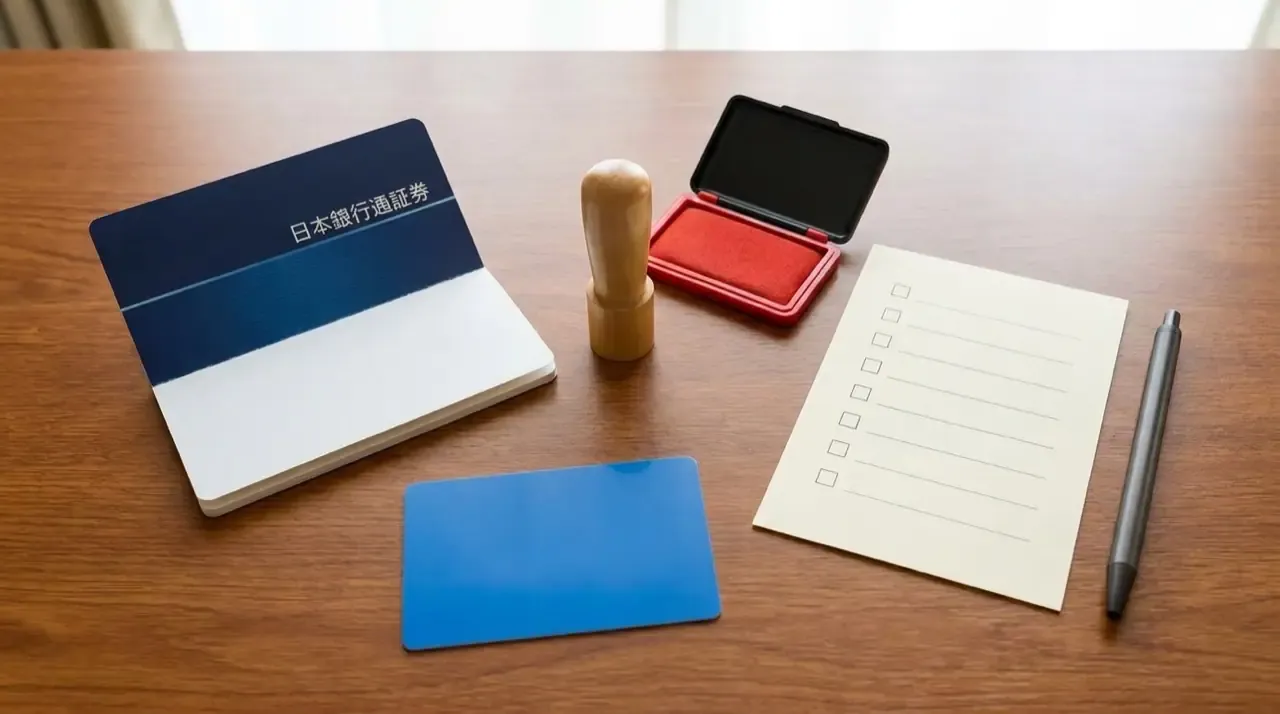
From the desk — The estates that go smoothly are the ones where the owner left a one-page note: here’s the property, here’s the judicial scrivener who handled the purchase, here’s the bank, here’s a translator I trust. The estates that turn into 18-month sagas are the ones where the heirs are reconstructing everything from a folder of contracts they can’t read, and three of them disagree about who gets what.
Whose Law Decides Who Inherits? (It’s Not Obvious)
Here’s the genuinely surprising part. You might assume that property in Japan follows Japanese inheritance rules. Not automatically.
Japan applies the national-law principle: succession is governed by the law of the deceased’s nationality, not by where the asset sits. So a French citizen’s Tokyo apartment is, as a starting point, governed by French succession law to decide who the heirs are and what share each gets.
But there’s a twist called renvoi. If your home country’s law says “real estate passes under the law of the place where it’s located” — which is exactly what the US, UK, and many common-law countries say — then the question bounces back to Japan, and Japanese succession law applies after all. The practical upshot: for many American and British owners, Japanese rules end up governing the apartment even though the chain of logic went abroad and back.
Why this matters to you concretely: Japan has forced-heirship style protections. Under Japanese rules with no valid will, statutory heirs and shares are fixed — for example, a surviving spouse and one child split the estate roughly half and half; a spouse with no children but living parents takes about two-thirds. You cannot fully disinherit certain close relatives the way you might in some jurisdictions. If your home-country will assumes total freedom to leave everything to one person, that assumption may not survive contact with a Japanese asset.
One honest caveat: this conflict-of-laws analysis is genuinely case-specific and depends on your nationality and your home country’s rules. It is exactly the kind of thing to run past a cross-border specialist before you buy, not a detail to settle by reading one article.
Related reading: Koteishisanzei: The Annual Property Tax in Japan, Explained.
There Is No Probate Court — Which Cuts Both Ways
Japan has no probate system. There’s no court process that validates a will and supervises distribution. Heirs simply inherit the assets and the liabilities automatically and divide things among themselves, usually via a written division agreement called isan bunkatsu kyogisho (estate-division agreement).
The good side: no slow, expensive court queue. The hard side: with no court refereeing, everything depends on the heirs agreeing and producing the right paperwork. If your heirs are scattered across three countries and one of them is unreachable, there’s no judge to break the deadlock cheaply. The title just sits, frozen by disagreement, while the tax and registration clocks keep ticking.
Clock One: The 10-Month Inheritance-Tax Deadline
This is the deadline that catches people. From the date of death, heirs have roughly 10 months to file and pay Japanese inheritance tax — in cash. Not file and arrange later. Pay.
The numbers, directional and as of writing:
- Basic exemption: about ¥30 million plus ¥6 million per statutory heir. So a single heir gets roughly ¥36 million tax-free; two heirs, ¥42 million.
- Rates: progressive, from 10% up to a top marginal rate of about 55% on the largest estates.
- Spouse credit: a surviving spouse generally owes nothing up to the greater of about ¥160 million or their statutory share — a major relief, but it only helps a spouse, not children or other heirs.
A single central-Tokyo apartment can blow straight through the exemption. And because the asset is illiquid — you can’t wire the tax office a slice of a bedroom — heirs sometimes have to sell the property to pay the tax on inheriting it, under a deadline they didn’t choose. Plan liquidity for this in advance, or your heirs inherit a fire sale.
Related reading: Property Taxes for Foreign Owners in Japan: The Full Timeline From Purchase to Sale.
The Worldwide-Asset Trap (For Long-Term Residents)
If you’re buying as a non-resident who stays a non-resident, the scope is narrow: Japan taxes only the Japan-located property, and your foreign assets stay out of the Japanese net. That’s the clean case.
But residency changes everything. The rough rule: a foreign national who has lived in Japan for more than 10 of the past 15 years can pull their worldwide estate into Japanese inheritance tax — not just the Tokyo apartment, but accounts and assets back home too. The thresholds and exceptions here have shifted over the years and are genuinely technical, so treat “10 of 15” as the headline, not gospel, and get advice if you’re a long-term resident. For a buyer planning to relocate and stay, this is arguably the single biggest reason to take estate planning seriously before, not after.
Related reading: UK & Australian Buyers of Japanese Property: An Honest Guide.
Related reading: Are you a Japan tax resident or non-resident? (owning Tokyo property from abroad).
Clock Two: Mandatory Registration Since 2024
Until recently, heirs could quietly sit on an unregistered title for years. That era is over. Since April 1, 2024, registering an inheritance of Japanese real estate is mandatory: heirs must file the ownership transfer within 3 years of learning they’ve inherited. Miss it without good reason and there’s an administrative fine of up to about ¥100,000.
The fine is the small problem. The real problem: until the title is registered into the heirs’ names, the property cannot be sold. No buyer, no agent, and no bank will touch a property whose title still names a dead person. Property tax keeps accruing the whole time. So an heir who ignores this doesn’t just risk a fine — they own an asset they can’t liquidate, bleeding annual tax.
For foreign heirs living abroad, registration still happens at a Japanese Legal Affairs Bureau, almost always through a judicial scrivener, and it requires translated, apostilled or consular-authenticated documents from the home country (death certificate, proof of heirs, identity). That takes time to assemble. The 3-year window sounds generous until you’re gathering certified translations across borders.
What a Prepared Owner Actually Does
You don’t need to solve all of this today. You need to buy with the exit in mind:
- Keep a simple estate file with your property, your judicial scrivener and bank contacts, and a trusted bilingual advisor — in a place your heirs can find it.
- Get a will reviewed for cross-border effect. A home-country will isn’t automatically wrong, but have someone confirm how it interacts with the national-law/renvoi question and Japanese forced-heirship.
- Plan tax liquidity so heirs aren’t forced to sell on a 10-month clock.
- If you’re relocating long-term, take the worldwide-asset rule seriously before you cross the 10-year line.
Your Next Step
Inheritance is not a reason to avoid Tokyo property — it’s a reason to buy it deliberately. The owners who get burned are the ones who treated the purchase as the finish line; the ones who do well treat it as the start of an asset their family will one day hold or sell on clean terms.
If you’re preparing to buy and want the structure right from day one, talk to us — we can introduce you to a licensed agent, a cross-border tax specialist and a judicial scrivener who can get it in place before you sign. Model the real after-tax economics first with our tools, and if you’re still narrowing down where to own, our ward guides show you which Tokyo submarkets hold value across a generation — because a property your heirs can sell easily is worth more than one they can’t.
This article is general information from a Tokyo-based property insider, not legal or tax advice. Inheritance and tax outcomes depend on your nationality, residency, and home-country law — confirm your specific situation with qualified cross-border counsel.